
Strength-Based & Connection-Focused Parenting – What Works for Neurodiverse Families

Real tips for real neurodivergentAn individual whose brain functions differently from the (usually neurotypicalThe term given to a group of people or an individual who is not neurodivergent, and who does not have a condition such as Asperger's syndrome, dyslexia, dyscalculia, dyspraxia, ADHD, OCD or Tourette Syndrome. ) perception of what is “normal”. For example, an individual with autismA complex developmental condition which can significantly affect verbal and non-verbal communication and social interaction in a range of ways., Asperger’s syndromeAsperger’s Syndrome (AS) or Asperger’s is an autism spectrum condition characterised by challenges with neurotypical social interactions and nonverbal communication., dyslexiaA condition that involves difficulty in learning to read or interpret letters, words and other symbols., dyscalculiaA condition which involves specific and persistent difficulty in understanding numbers which can lead to a range of difficulties with mathematics., dyspraxiaA condition that may affect physical coordination, balance, movement, learning, living skills, fine motor skills, emotional regulation, social interaction, time management, planning and personal organisation skills., ADHD, OCD or Tourette Syndrome. homes – less stress, more connection. If you’re raising a neurodivergentAn individual whose brain functions differently from the (usually neurotypicalThe term given to a group of people or an individual who is not neurodivergent, and who does not have a condition such as Asperger's syndrome, dyslexia, dyscalculia, dyspraxia, ADHD, OCD or Tourette Syndrome. ) […]
My Child is a ‘Different Person’ at School: Understanding Masking

Does your child fall apart the second they get home from school—yet teachers describe them as an ‘angel’? You’re not imagining it. This is maskingThe act of changing or ‘hiding’ natural behaviours to appear “normal”. This action can be conscious or unconscious, and is often used in a situation that is threatening in some way. For example, a person may attempt to appear more ‘neurotypical’ to avoid bullying at school or work. . And it’s exhausting them. In this blog, we explore the signs of maskingThe act of changing or ‘hiding’ natural behaviours to appear “normal”. This action can be conscious or unconscious, and is often used in a situation that is threatening in some way. For example, a person may attempt to appear more ‘neurotypical’ to avoid bullying at school or work. , the ‘after-school restraint collapse’, and how to support your child (and yourself) without burnoutA stress condition where we feel overwhelmed, emotionally drained and unable to keep up with the demands of our daily life..
Helping Our Neurodivergent Child with Transitions

Transitions feel like hitting a wall. Here’s how we help our neurodivergentAn individual whose brain functions differently from the (usually neurotypical) perception of what is “normal”. For example, an individual with autism, Asperger's syndrome, dyslexia, dyscalculia, dyspraxia, ADHD, OCD or Tourette Syndrome. child move from meltdown to calm.
The After-School Meltdown: Understanding and Surviving Our Kids’ After School Restraint Collapse

The tears, the yelling, the meltdown over a broken biscuit the moment you walk through the door. If this sounds familiar, you are not a bad parent, and it’s not a tantrum. It’s called After School Meltdown—and it’s a sign that your child feels safe enough to let go. In this post, we explore why neurodivergentAn individual whose brain functions differently from the (usually neurotypical) perception of what is “normal”. For example, an individual with autism, Asperger's syndrome, dyslexia, dyscalculia, dyspraxia, ADHD, OCD or Tourette Syndrome. children struggle so much after school, and how to create a “no-questions-asked” zone that helps everyone reset.
Navigating Parenting Style Mismatch.

Parenting is hard enough—what happens when you and your co-parent have completely different approaches? One may rely on routine and discipline, while the other values flexibility and connection.
These differences can leave children confused and parents in conflict. But what if having different styles didn’t have to be a problem?
Parenting Styles Decoded: A Glossary

Feeling confused by terms like ‘Gentle’, ‘Authoritative’, or ‘Tiger’ parenting? Our visual guide and glossary cut through the noise. We map the core styles based on warmth and control, helping you identify your natural tendencies and their impacts.
Neurodiversity and Anxiety: Supporting Your Child and Yourself
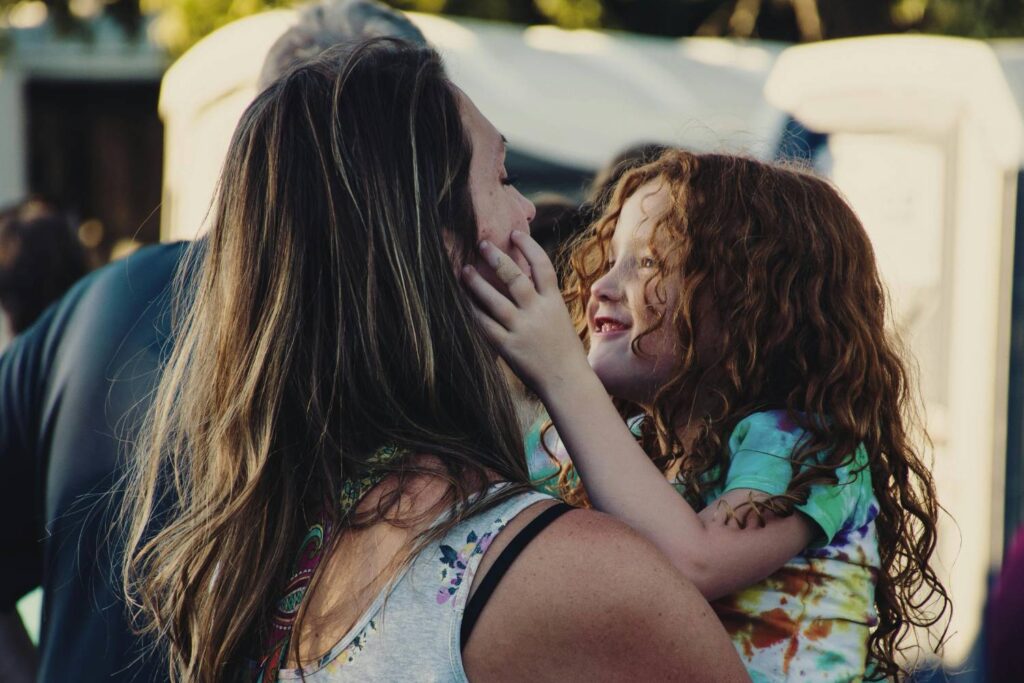
As parents and carers, we know that anxiety isn’t just an occasional worry for our neurodivergentAn individual whose brain functions differently from the (usually neurotypicalThe term given to a group of people or an individual who is not neurodivergent, and who does not have a condition such as Asperger's syndrome, dyslexia, dyscalculia, dyspraxia, ADHD, OCD or Tourette Syndrome. ) perception of what is “normal”. For example, an individual with autismA complex developmental condition which can significantly affect verbal and non-verbal communication and social interaction in a range of ways., Asperger’s syndromeAsperger’s Syndrome (AS) or Asperger’s is an autism spectrum condition characterised by challenges with neurotypical social interactions and nonverbal communication., dyslexiaA condition that involves difficulty in learning to read or interpret letters, words and other symbols., dyscalculiaA condition which involves specific and persistent difficulty in understanding numbers which can lead to a range of difficulties with mathematics., dyspraxiaA condition that may affect physical coordination, balance, movement, learning, living skills, fine motor skills, emotional regulation, social interaction, time management, planning and personal organisation skills., ADHD, OCD or Tourette Syndrome. children—it’s often a constant thread running through daily life. […]
The Bidirectionality of Parenting: How You and Your Child Shape Each Other

We pour everything into shaping our children, but what if we’re missing the most beautiful part? Parenting is far from a one-way street. The most profound growth isn’t just for them—it happens within us. In this two-way dance of raising a child, we are not just the directors but also the students, learning patience, unconditional love, and how to see the world anew. Discover how embracing this mutual transformation can be the key to a deeper connection and less conflict at home.
How Our Environment Shapes Neurodivergent Parenting

The spaces we share with our neurodivergentAn individual whose brain functions differently from the (usually neurotypicalThe term given to a group of people or an individual who is not neurodivergent, and who does not have a condition such as Asperger's syndrome, dyslexia, dyscalculia, dyspraxia, ADHD, OCD or Tourette Syndrome. ) perception of what is “normal”. For example, an individual with autism, Asperger’s syndromeAsperger’s Syndrome (AS) or Asperger’s is an autism spectrum condition characterised by challenges with neurotypical social interactions and nonverbal communication., dyslexia, dyscalculiaA condition which involves specific and persistent difficulty in understanding numbers which can lead to a range of difficulties with mathematics., dyspraxiaA condition that may affect physical coordination, balance, movement, learning, living skills, fine motor skills, emotional regulation, social interaction, time management, planning and personal organisation skills., ADHD, OCD or Tourette Syndrome. children profoundly impact their daily lives. From creating sensory-friendly homes to advocating for inclusive schools, we can transform […]
The Window of Tolerance: Our Neurodivergent Family’s Guide

Parenting as neurodivergentAn individual whose brain functions differently from the (usually neurotypicalThe term given to a group of people or an individual who is not neurodivergent, and who does not have a condition such as Asperger's syndrome, dyslexia, dyscalculia, dyspraxia, ADHD, OCD or Tourette Syndrome. ) perception of what is “normal”. For example, an individual with autism, Asperger’s syndromeAsperger’s Syndrome (AS) or Asperger’s is an autism spectrum condition characterised by challenges with neurotypical social interactions and nonverbal communication., dyslexia, dyscalculiaA condition which involves specific and persistent difficulty in understanding numbers which can lead to a range of difficulties with mathematics., dyspraxiaA condition that may affect physical coordination, balance, movement, learning, living skills, fine motor skills, emotional regulation, social interaction, time management, planning and personal organisation skills., ADHD, OCD or Tourette Syndrome. people or raising neurodivergentAn individual whose brain functions differently from the (usually neurotypicalThe term given to a group of people or an individual who is not neurodivergent, and who does not have a condition such as Asperger's syndrome, dyslexia, dyscalculia, dyspraxia, ADHD, OCD or Tourette Syndrome. ) perception of what is “normal”. For example, an individual […]