
Join our monthly online webinar and community meet-up. Next one is on October 29th, 12–1pm (UK time) – Sign up here. More details on this at the end of our blog.
What Is Low-Demand Parenting?
Low-demand parenting is about reducing unnecessary pressure so your child’s nervous system can stay calm enough to learn and connect. It’s not about letting children do whatever they want. It’s a thoughtful approach that understands why a child might be struggling and responds with warmth and flexibility, while keeping appropriate boundaries.
This approach became popular in the neurodivergentAn individual whose brain functions differently from the (usually neurotypical) perception of what is “normal”. For example, an individual with autism, Asperger's syndrome, dyslexia, dyscalculia, dyspraxia, ADHD, OCD or Tourette Syndrome. community, especially for children with a PDA (Pathological Demand Avoidance) profile, autistic children, those with ADHD, and highly anxious children. For these children, ordinary requests can trigger a threat response that feels overwhelming.
Why It Helps
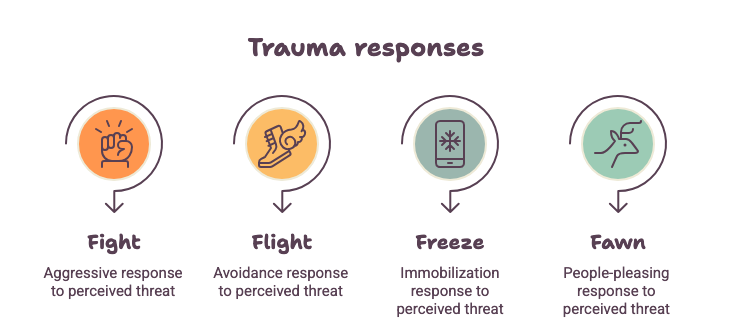
Children who find demands overwhelming, often tip into fight, flight, freeze or fawn mode when demands pile up. A stressed brain can’t learn or function well. By reducing demands, you help your child stay regulated and build trust.
One parent said: “I used to think I had to stay firm or he’d never learn. But when I softened, he started showing me what he could do, not because I made him, but because he felt safe.”
Practical Strategies from our Community
Here are some things that have worked for families in our community.
Change How You Ask
Instead of direct instructions, try declarative language – sharing information rather than giving orders.
Instead of: “Put your shoes on now”
Try: “Your shoes are by the door when you’re ready”
Instead of: “Can you brush your teeth?”
Try: “Teeth time – I’ll be in the bathroom”
You can also offer choices: “Would you like your shoes on before or after your coat?”
Spot the Hidden Demands
A demand isn’t just something your child doesn’t want to do. It can be anything that feels too hard in that moment. Getting ready for school involves stopping a fun activity, finding clothes, getting dressed, eating, brushing teeth, and leaving on time. Each step carries pressure.
Shrink the Non-Negotiables
The truly safety-critical rules are fewer than we think. Think about which expectations really matter and which can be relaxed.
One example: a parent stopped saying “Have a good day!” at school drop-off because their child heard it as “You need to behave.” Removing that pressure helped him walk in feeling better.
Work With Energy, Not Against It
Many parents find the “spoon theory” helpful. Imagine each day starts with a limited number of spoons (energy units). Getting everyone up and fed in the morning might take 3 spoons. A supermarket trip takes 4 more. By lunchtime, you might be running on empty.
It’s a way to quantify capacity. It helps reduce guilt and lets you plan realistically.
That said, spoon theory works for some and not others – some find it oversimplified or feel it doesn’t reflect how much energy can vary. Use what you think will work best, and it’s okay to vary and flow according to your child.
Build in “Flow Time”
Many neurodivergentAn individual whose brain functions differently from the (usually neurotypical) perception of what is “normal”. For example, an individual with autism, Asperger's syndrome, dyslexia, dyscalculia, dyspraxia, ADHD, OCD or Tourette Syndrome. children need flow – deep, uninterrupted engagement with something they love. Allow long stretches for special interests. Don’t rush to redirect. Parallel play – being alongside each other with your own activities – offers connection without pressure.
Create a Sensory Survival Kit
Sensory overload drives many meltdowns. A kit with ear defenders, fidget toys, or a favourite soft toy can help everyone regulate.
Don’t forget your own sensory needs too. Modelling using your own tools shows children that regulation matters for everyone.
Discover what sensory profiles are, how your body processes sensory input, and how to use this to regulate and ground. Book a free discovery session here:
https://tidycal.com/yaso/sensoryprofile
What Low-Demand Parenting Is Not
It’s not permissive parenting. Low-demand parenting still maintains boundaries and structure – it just prioritises reducing anxiety and stress.
There are still boundaries around physical safety and key family values. The difference is in how you communicate and enforce them.
Read more about parenting styles in our blog here.
A Final Thought
One parent summed up the shift: “You’re not undoing your parenting, you’re uncovering what your child may have been asking for all along.”
Low-demand parenting isn’t always easy. It means choosing connection over compliance. But it also needs to fit into our own family dynamic, cultureThe characteristics and knowledge of a particular group of people, including religion, food, clothing, language, music, arts, social habits, and other factors., and intersectionalityThe way multiple forms of discrimination (such as racism, sexism, and classism) combine, overlap, or intersect especially in the experiences of marginalised individuals or groups.. As parent/carers, we know our kids best – and we need to find the right formula for our family. Many families find it brings relief, calm, and a stronger relationship with their child, but it’s okay to adapt it to what works for you..
Need More Support?
Book a free discovery call with our parent coach:
Here at Neurotribe, our team are neurodivergentAn individual whose brain functions differently from the (usually neurotypical) perception of what is “normal”. For example, an individual with autism, Asperger's syndrome, dyslexia, dyscalculia, dyspraxia, ADHD, OCD or Tourette Syndrome. parent-carers themselves. We have struggled with the same issues. We are here to support parent-carers with a safe, non-judgemental, confidential space. We can help you avoid burnoutA stress condition where we feel overwhelmed, emotionally drained and unable to keep up with the demands of our daily life..
OR
Join us for our next online Webinar & Meet-Up
A monthly online meet-up for parents/carers. Part webinar, part community gathering
When: October 29th, 12–1pm (UK time)
Cost : Pay what you can
Our parenting coach shares practical low-demand strategies, and you get a relaxed space to connect with other parent/carers who understand. Sign Up here
Spaces are limited so everyone gets a chance to speak. Happy to just listen? That’s fine too.
Glossary: Low-Demand Parenting
Declarative language – Sharing information instead of giving orders. E.g. “Your shoes are by the door” rather than “Put your shoes on.”
Demand – Anything that feels like pressure to a child. Can be a direct instruction, a question, a transition, or even something they usually enjoy.
Demand-sensitive – A child who experiences everyday requests as overwhelming or threatening.
Flow – Deep, uninterrupted engagement in something a child loves. Regulating and meaningful, not just “zoning out.”
MaskingThe act of changing or ‘hiding’ natural behaviours to appear “normal”. This action can be conscious or unconscious, and is often used in a situation that is threatening in some way. For example, a person may attempt to appear more ‘neurotypical’ to avoid bullying at school or work. – Hiding your natural way of being to meet others’ expectations. Often drains energy invisibly.
Non-negotiables – The few rules that truly matter for safety and family values. Everything else can be flexible.
PDA (Pathological Demand Avoidance) – A profile where everyday demands trigger a threat response. Often linked to autismA complex developmental condition which can significantly affect verbal and non-verbal communication and social interaction in a range of ways..
Sensory survival kit – A collection of items (ear defenders, fidget toys, soft toy) to help regulate when overwhelmed.
Spoon theory – A way of picturing daily energy as a limited number of “spoons.” Each task uses some. Helpful for some, not for others.
Stimming – Repetitive movements or sounds that help regulate. Not something to stop.
Regulation – Being calm enough in your body and brain to learn, connect, and cope.